
Recovery Tips After Appendix Surgery
Essential guidelines for a smooth and speedy recovery after appendectomy. Follow these expert recommendations for optimal healing.

Dr. Rashmi Thakkar
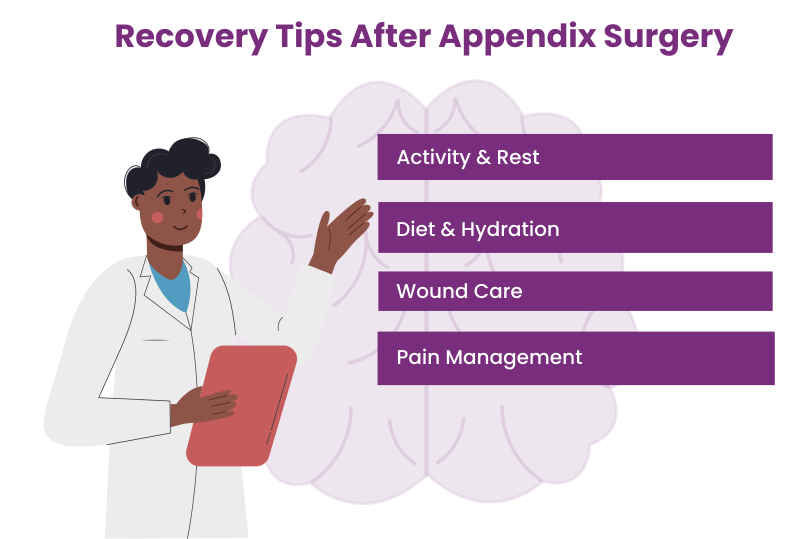
Recovery from appendix surgery (appendectomy) is generally quick, especially with laparoscopic surgery. Most patients can return to their normal activities within 1-2 weeks. Following these guidelines will help ensure a smooth recovery and prevent complications.
Recovery Timeline
Hospital Stay
Monitor vital signs, manage pain, start with clear liquids
Early Recovery at Home
Rest, light walking, progress to soft foods
Gradual Return to Activities
Resume light activities, avoid heavy lifting
Full Recovery
Return to work and normal activities
Key Recovery Tips
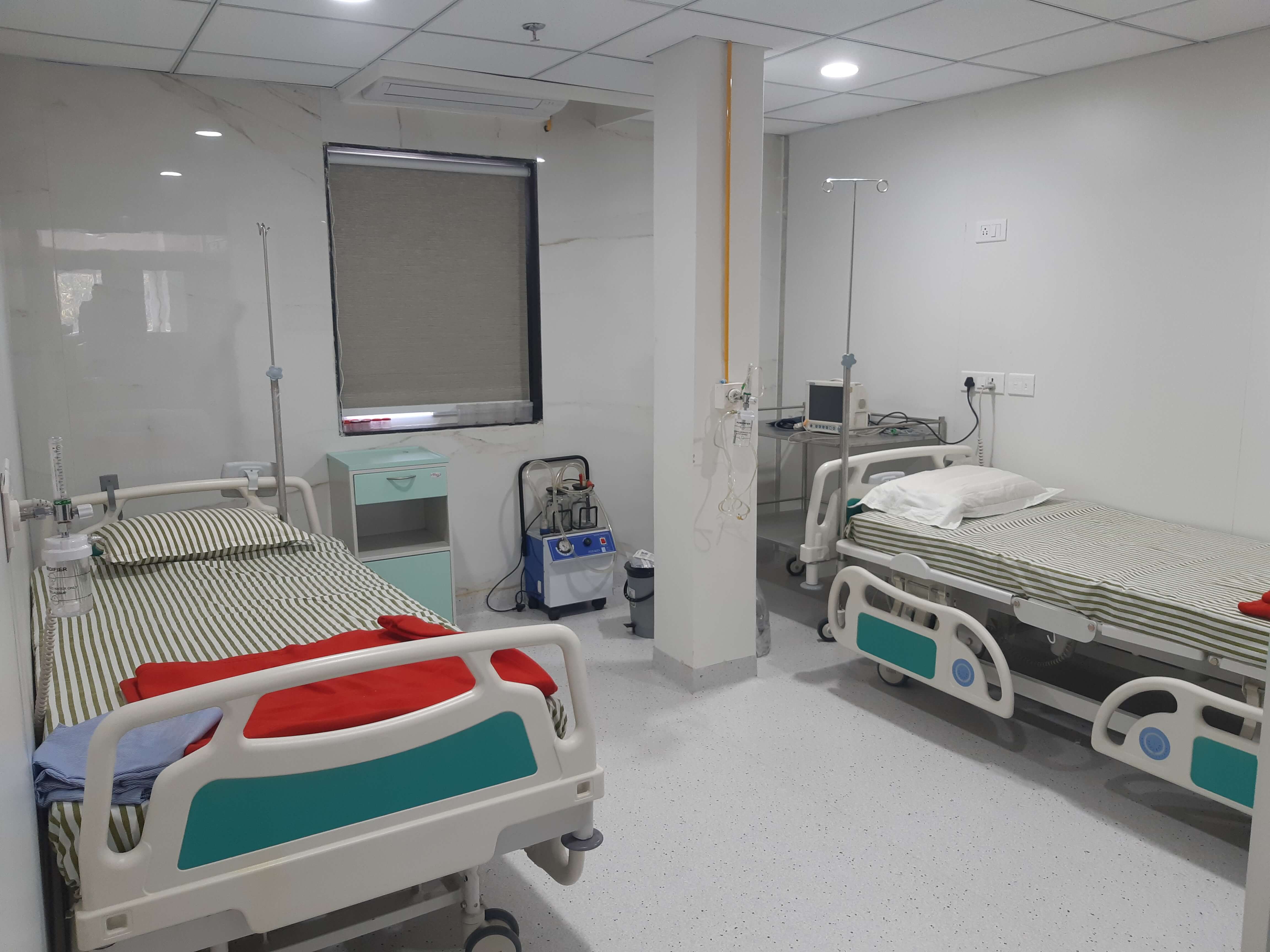
Rest and proper care ensure faster healing
Rest Adequately
- Get plenty of sleep
- Listen to your body
- Take short naps if needed
- Avoid strenuous activities
Stay Active (Gently)
- Take short walks daily
- Avoid sitting for too long
- Move to prevent blood clots
- Gradually increase activity
Eat Right
- Start with clear liquids
- Progress to soft foods
- Eat small, frequent meals
- Include fiber to prevent constipation
Stay Hydrated
- Drink plenty of water
- Avoid alcohol
- Limit caffeine
- Herbal teas can help
Incision Care
Proper Wound Care is Essential
Following proper incision care guidelines helps prevent infection and promotes healing.
- Keep the incision clean and dry
- Follow your doctor's instructions for dressing changes
- Avoid soaking in baths, pools, or hot tubs until cleared
- Shower is usually okay after 24-48 hours (ask your doctor)
- Don't apply lotions or creams unless prescribed
- Watch for signs of infection (redness, swelling, discharge)
What to Avoid During Recovery
- Heavy lifting (over 10 lbs) for 2-4 weeks
- Strenuous exercise or sports
- Driving while on pain medication
- Smoking (delays healing)
- Alcohol consumption
- Skipping follow-up appointments
- Ignoring warning signs
- Rushing back to work too soon
When to Contact Your Doctor
- •Fever over 101 F (38.3 C)
- •Increasing pain or swelling at the incision site
- •Redness spreading from the incision
- •Pus or foul-smelling discharge from the wound
- •Persistent nausea or vomiting
- •Unable to pass gas or have a bowel movement
Additional Helpful Tips
Pain Management
Take prescribed pain medications as directed. Don't wait until pain is severe.
Emotional Support
It's normal to feel tired or emotional. Reach out to family and friends for support.
Follow-Up Care
Attend all scheduled follow-up appointments to ensure proper healing.
Written by
Dr. Rashmi Thakkar
Dr. Rashmi M Thakkar is a distinguished general surgeon at Jalaram Hospital with extensive experience in laparoscopic and minimally invasive surgical procedures.
Related Posts
Need Post-Surgery Support?
Our dedicated team is here to support you throughout your recovery. Don't hesitate to reach out if you have any concerns or questions.