
Benefits of Laparoscopic GI Surgery
Understand why minimally invasive laparoscopic surgery is the preferred choice for treating gastrointestinal conditions and how it offers a faster, safer recovery compared to traditional open surgery.

Dr. Rashmi Thakkar
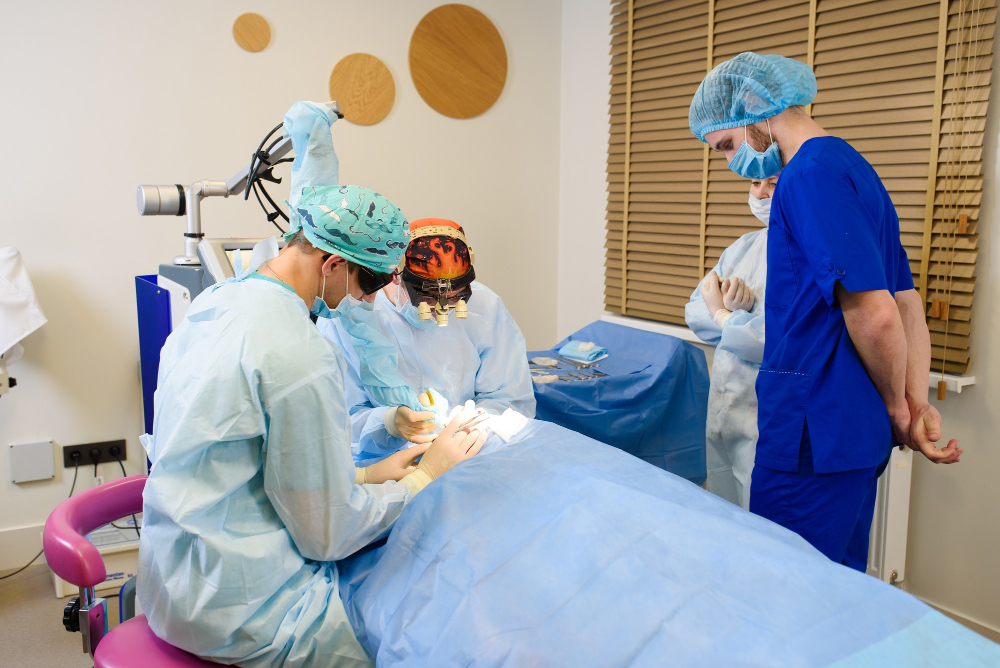
Laparoscopic GI surgery, also known as keyhole surgery, has transformed the way gastrointestinal conditions are treated. Instead of large incisions, surgeons use small cuts and a tiny camera to perform precise operations. This approach is now the gold standard for many digestive system procedures at Jalaram Hospital.
Key Advantages Over Open Surgery
Smaller Incisions
Only 3 to 4 tiny cuts (0.5-1 cm) are needed instead of one large incision. This means significantly less tissue damage and better cosmetic results.
Less Pain & Discomfort
Patients experience considerably less post-operative pain, often requiring fewer painkillers during recovery.
Faster Recovery
Most patients return to normal activities within 1 to 2 weeks, compared to 4 to 6 weeks with traditional open surgery.
Lower Risk of Complications
Reduced blood loss, lower infection rates, and fewer wound-related complications compared to open procedures.
Shorter Hospital Stay
Typically only 1 to 2 days of hospitalization is required, allowing patients to recover comfortably at home.
Better Surgical Precision
The high-definition camera provides magnified views, enabling surgeons to operate with greater accuracy.
Laparoscopic vs Open Surgery: At a Glance
| Aspect | Laparoscopic Surgery | Open Surgery |
|---|---|---|
| Incision Size | 0.5-1 cm (3-4 cuts) | 10-20 cm (1 large cut) |
| Pain Level | Minimal | Moderate to High |
| Hospital Stay | 1-2 days | 4-7 days |
| Recovery Time | 1-2 weeks | 4-6 weeks |
| Scarring | Barely visible | Large visible scar |
| Infection Risk | Very Low | Higher |
| Blood Loss | Minimal | Moderate |
GI Conditions Treated Laparoscopically
- Hernia repair (inguinal, umbilical, incisional, hiatal)
- Gallbladder removal (cholecystectomy)
- Appendectomy (appendix removal)
- Intestinal blockage or obstruction surgery
- Acid reflux and GERD surgery (fundoplication)
- Colon and rectal surgery for polyps or tumours
- Diagnostic laparoscopy for unexplained abdominal pain
Why Choose Jalaram Hospital
At Jalaram Hospital in Ahmedabad, our experienced GI laparoscopic surgeons use the latest equipment and evidence-based techniques to deliver the best outcomes. With modern operation theatres, round-the-clock emergency care, and a compassionate support team, we ensure every patient receives safe and effective treatment tailored to their needs.
Written by
Dr. Rashmi Thakkar
Dr. Rashmi M Thakkar is a distinguished general surgeon at Jalaram Hospital with extensive experience in laparoscopic and minimally invasive surgical procedures.
Related Posts
Ready to Explore Minimally Invasive GI Surgery?
Consult our experienced GI surgeons at Jalaram Hospital to find out if laparoscopic surgery is the right option for you.