
Diet & Lifestyle After GI Surgery
What you eat and how you live after gastrointestinal surgery plays a crucial role in your recovery. Follow these guidelines for a smooth and healthy return to normal life.
Dr. Rashmi Thakkar
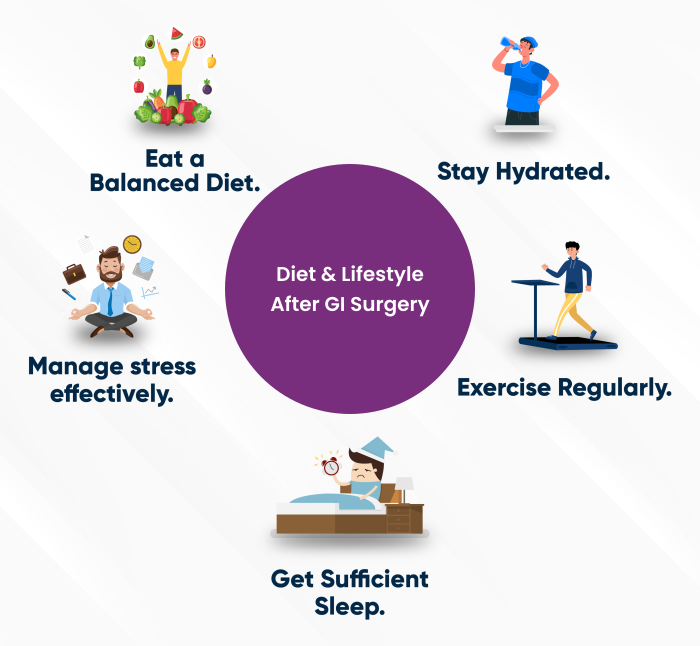
After GI laparoscopic surgery, your digestive system needs time to heal. A carefully phased diet plan combined with gradual lifestyle adjustments will help you recover faster and avoid complications. The team at Jalaram Hospital provides personalized guidance throughout your recovery journey.
Phased Diet Recovery Plan
Clear Liquids
- Water, clear broth, and diluted fruit juices
- Electrolyte drinks to maintain hydration
- Avoid carbonated or caffeinated beverages
- Sip slowly and frequently throughout the day
Full Liquids & Soft Foods
- Thin dal, soups, buttermilk, and coconut water
- Mashed khichdi, porridge, and curd rice
- Boiled and mashed vegetables (lauki, potato, pumpkin)
- Eat small portions every 2 to 3 hours
Semi-Solid & Light Foods
- Soft rotis, steamed idli, and upma
- Boiled eggs, dal, and paneer in mild preparation
- Well-cooked vegetables and light fruits (banana, papaya)
- Avoid oily, spicy, or fried foods completely
Regular Diet (Gradual Transition)
- Slowly reintroduce your normal diet based on tolerance
- Include high-fibre foods to prevent constipation
- Lean protein sources like fish, chicken, dal, and eggs
- Continue eating smaller, frequent meals instead of large ones
Foods to Avoid During Recovery
Avoid These for at Least 2 to 4 Weeks
Deep-fried and oily foods
Spicy curries and chilli-heavy dishes
Carbonated drinks and alcohol
Raw salads and uncooked vegetables
Red meat and tough meats
Processed and junk food
Very hot or very cold foods
Heavy desserts and sweets
Lifestyle & Activity Guidelines
Physical Activity
- Start with short, gentle walks from day 1
- Avoid lifting heavy objects for 4 to 6 weeks
- No strenuous exercise until cleared by your surgeon
- Gradually increase activity each week
Recovery Milestones
- Week 1: Light walking, liquid to soft diet
- Week 2: Return to light daily activities
- Week 3: Semi-normal diet, gentle stretching
- Week 4+: Resume work and normal routine
Contact Your Doctor Immediately If You Experience
- Severe or worsening abdominal pain
- Persistent vomiting or inability to keep liquids down
- Fever above 100.4 F (38 C)
- Redness, swelling, or discharge from incision sites
- Blood in stool or vomit
Written by
Dr. Rashmi Thakkar
Dr. Rashmi M Thakkar is a distinguished general surgeon at Jalaram Hospital with extensive experience in laparoscopic and minimally invasive surgical procedures.
Related Posts
Need Personalized Recovery Guidance?
Every recovery is unique. Our team at Jalaram Hospital provides individualized diet and lifestyle plans to help you heal faster and better.